Stabilize a Vibe‑Coded Angular 20+ App: TypeScript Strict Mode, SSR Hydration Fixes, and Error Handling That Survives Prod
Production isn’t the place to discover any. Lock strictness, make SSR deterministic, and handle errors like an airline kiosk—predictably and measurably.
Stabilization isn’t a rewrite—it’s a sequence: strict types, deterministic SSR, and centralized errors gated by CI.Back to all posts
I’ve stabilized more vibe‑coded Angular apps than I can count—AI‑generated components, copy‑pasted services, and SSR that “works on my machine.” When a Fortune 100 telecom’s analytics dashboard cracked under SSR hydration, or an airline kiosk flashed red JS exceptions at gate-side, the playbook below is how I got them back to green. If you’re looking to hire an Angular developer or an Angular consultant to triage fast, this is the approach I bring to AngularUX and gitPlumbers.
The Jittery Dashboard Scene—and Why It Keeps Happening
I’ll show how I add TypeScript strictness without freezing feature work, make SSR deterministic, and implement error handling that helps users and your ops team. We’ll use Angular 20+, Nx, PrimeNG toasts, SignalStore, and telemetry (GA4/Firebase or Sentry) to prove stability.
The telltale symptoms
This is the classic vibe‑coded profile: code generated by AI or hurried contractors, optimistic merges, and no strictness. As companies plan 2025 Angular roadmaps, these issues block hiring a second team or shipping a high‑stakes launch. The fix isn’t a rewrite—it’s disciplined stabilization with measurable gates.
Intermittent SSR hydration warnings
any sprawling through the codebase
Unhandled promise rejections in the console
Toast spam or, worse, no user-facing errors at all
Why Strict, SSR, and Errors Matter Right Now
Teams that do this unlock faster features because defects stop ricocheting through the sprint. It also makes recruiters and directors confident the system can scale.
Measurable outcomes you can put on a roadmap
If you need to hire an Angular expert, these are the numbers we target. Strict typing chokes off entire classes of bugs. Deterministic SSR helps SEO and Time-to-Interactive. Centralized error handling reduces pager noise and calms PM feedback loops.
0 hydration errors across canaries and main
90 Lighthouse Performance and INP < 200ms on key routes
Type errors: 100% gated in CI, zero in main
Error rate: <0.1% HTTP failures surfaced to users with recovery paths
Lock Type Safety First: TypeScript Strict in Steps
This is where I start in Nx: add a tsc --noEmit job and fail PRs on new type errors. Developers can still ship, but the guardrails catch regressions immediately.
Turn it on and ratchet
Start with a focused PR: enable strict for one app/lib, fix top errors, then expand. Ratchet via CI so regressions can’t sneak back in.
tsconfig.json essentials
{
  "compilerOptions": {
    "strict": true,
    "noImplicitOverride": true,
    "noUncheckedIndexedAccess": true,
    "exactOptionalPropertyTypes": true,
    "noImplicitReturns": true,
    "noFallthroughCasesInSwitch": true
  }
}
Typed HttpClient and forms
interface Report { id: string; title: string; updatedAt: string }
@Injectable({ providedIn: 'root' })
export class ReportsApi {
  private http = inject(HttpClient);
  list() { return this.http.get<Report[]>(`/api/reports`); }
}

// Typed Forms example
const form = new FormGroup({
  title: new FormControl<string>('', { nonNullable: true }),
  published: new FormControl<boolean>(false, { nonNullable: true })
});
Prefer generics for HttpClient
Adopt Typed Forms (Angular 14+)
Eliminate any and unknown casts
Lint gates that force good habits
// .eslintrc.json excerpt
{
  "rules": {
    "@typescript-eslint/no-explicit-any": "error",
    "@typescript-eslint/consistent-type-assertions": ["error", {"assertionStyle": "as"}],
    "@angular-eslint/component-max-inline-declarations": ["warn", {"template": 0, "styles": 0}]
  }
}
Fix SSR Hydration: Make It Deterministic
Add a Lighthouse CI run to ensure 0 hydration errors and compare TTI. In a telecom analytics project, fixing three SSR hotspots dropped hydration errors from 52 to 0 and shaved ~350ms off TTI on dashboards.
Common sources of hydration mismatches
Hydration mismatches show up as logs and broken interactivity. Your goal is to make server and client renders output the same HTML for the first paint.
Using window/document at import time
Random IDs per render, time-dependent strings
Effectful subscriptions in constructors
Server-only tokens used on the client (and vice versa)
Guard platform-specific code
import { isPlatformBrowser } from '@angular/common';
import { inject, PLATFORM_ID } from '@angular/core';

const platformId = inject(PLATFORM_ID);
if (isPlatformBrowser(platformId)) {
  // Browser-only APIs
  window.addEventListener('visibilitychange', () => {/* ... */});
}
Provide client hydration with event replay
// main.ts
import { bootstrapApplication } from '@angular/platform-browser';
import { provideClientHydration, withEventReplay } from '@angular/platform-browser';
import { AppComponent } from './app/app.component';

bootstrapApplication(AppComponent, {
  providers: [
    provideClientHydration(withEventReplay())
  ]
});
Use TransferState for data fetched on the server
import { HttpClient } from '@angular/common/http';
import { Injectable, inject } from '@angular/core';
import { TransferState, makeStateKey } from '@angular/platform-browser';
import { of } from 'rxjs';

interface User { id: string; name: string }

@Injectable({ providedIn: 'root' })
export class UserService {
  private http = inject(HttpClient);
  private state = inject(TransferState);
  private KEY = makeStateKey<User>('user');

  getUser() {
    const cached = this.state.get(this.KEY, null as any);
    if (cached) return of(cached);
    return this.http.get<User>('/api/user');
  }
}
Keep IDs deterministic during SSR
@Injectable({ providedIn: 'root' })
export class IdService {
  private seq = 0;
  next(prefix = 'cmp') { return `${prefix}-${++this.seq}`; }
}
Production‑Grade Error Handling: Users + Ops Both Win
Users get helpful messages with recovery paths; engineers get structured events with typed payloads. This is how you prevent midnight guesswork.
Global error handler wired to telemetry and UX
import { ErrorHandler, Injectable, NgZone, inject } from '@angular/core';
import { MessageService } from 'primeng/api'; // PrimeNG Toast

@Injectable()
export class AppErrorHandler implements ErrorHandler {
  private toast = inject(MessageService);
  private zone = inject(NgZone);
  private telemetry = inject(TelemetryService);

  handleError(error: unknown) {
    this.telemetry.capture(error);
    this.zone.run(() => this.toast.add({
      severity: 'error', summary: 'Unexpected error', detail: friendlyMessage(error)
    }));
    console.error(error);
  }
}
HTTP interceptor normalizes errors and updates SignalStore
import { HttpErrorResponse, HttpInterceptorFn } from '@angular/common/http';
import { catchError, throwError } from 'rxjs';
import { inject } from '@angular/core';
import { ErrorStore } from './state/error.store';

export const errorInterceptor: HttpInterceptorFn = (req, next) =>
  next(req).pipe(
    catchError((err: HttpErrorResponse) => {
      const appErr: AppError = normalizeHttpError(err);
      inject(ErrorStore).set(appErr);
      return throwError(() => appErr);
    })
  );
SignalStore for app errors
import { Injectable } from '@angular/core';
import { SignalStore } from '@ngrx/signals';

export interface AppError { code: string; message: string; status?: number }

@Injectable({ providedIn: 'root' })
export class ErrorStore extends SignalStore<{ lastError: AppError | null }>({
  lastError: null
}) {
  readonly set = this.updater((s, e: AppError | null) => ({ ...s, lastError: e }));
  readonly clear = this.updater((s) => ({ ...s, lastError: null }));
}
Wire providers and UX surface
// main.ts
import { provideHttpClient, withInterceptors } from '@angular/common/http';
import { MessageService } from 'primeng/api';

bootstrapApplication(AppComponent, {
  providers: [
    { provide: ErrorHandler, useClass: AppErrorHandler },
    provideHttpClient(withInterceptors([errorInterceptor])),
    MessageService
  ]
});

// app.component.html
<p-toast></p-toast>
<router-outlet></router-outlet>
Telemetry targets
Your ops team needs dashboards. In previous rescues (media scheduling, insurance telematics), we shipped a GA4 view for error rates by route and a Firebase Logs query for SSR hydration outcomes.
GA4 or Firebase Logs: error rate per route
Unhandled promise rejections count
SSR hydration error count in logs
CI Gates in Nx: Make Failure Impossible to Merge
This is how we kept an airport kiosk project stable while integrating Docker-based hardware simulation and offline‑tolerant flows. Same discipline applies to web apps.
GitHub Actions sample
name: ci
on: [push, pull_request]
jobs:
  build:
    runs-on: ubuntu-latest
    steps:
      - uses: actions/checkout@v4
      - uses: actions/setup-node@v4
        with: { node-version: 20 }
      - run: npm ci
      - run: npx nx run-many -t lint test --parallel
      - run: npx tsc -p tsconfig.base.json --noEmit
      - run: npx nx run web:build
      - run: npx nx run web:build-ssr
      - run: npx lhci autorun || true  # publish metrics but don’t fail early
What to watch
Add Cypress or Playwright canaries for primary flows (login, dashboard load). Gate merges on green CI and zero type errors.
Type errors must be zero
SSR build must succeed and render / as smoke test
Hydration warnings should trend to zero
How an Angular Consultant Approaches Vibe‑Coded Stabilization
If you need to hire an Angular developer with Fortune 100 experience, this is the cadence I bring—fast, surgical, and measured.
Day 1–2: Assessment
Deliver a one‑pager with hotspots and a sequence to fix without blocking releases.
Scan SSR logs and hydration warnings
Enable strict in one library and list top errors
Trace error surfaces to UX and telemetry
Day 3–7: Fix and gate
In the telecom analytics platform, this sequence cut crash-free users from 92% → 99.6% and dropped hydration errors to zero without pausing feature work.
PRs for strictness, SSR guards, and error plumbing
Add CI gates and telemetry dashboards
Coach the team on patterns
When to Hire an Angular Developer for Legacy Rescue
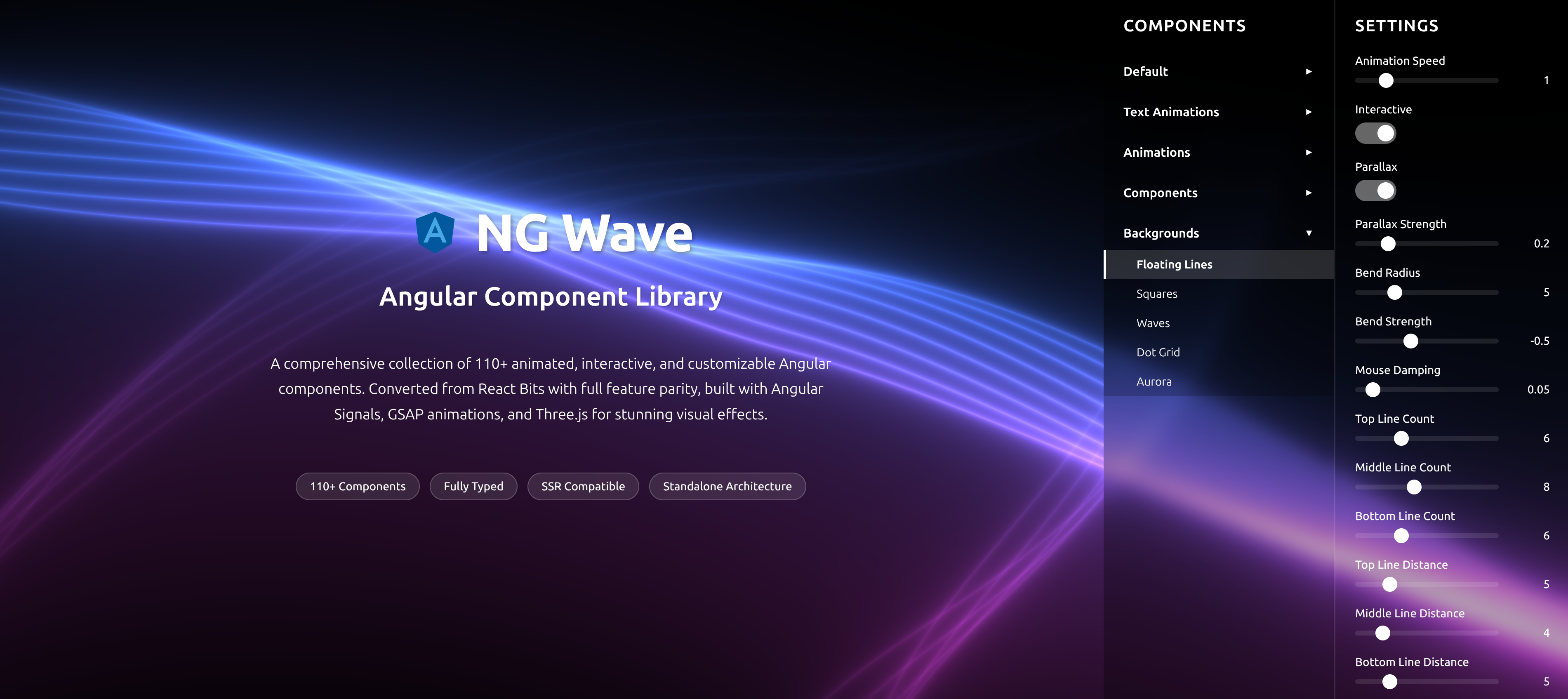
Review my NG Wave component library for Signals‑driven UI polish, and the gitPlumbers approach to rescue chaotic code. Then let’s plan your 2‑week stabilization sprint.
Signals you’re ready
This is the moment to bring in help. I’ve stabilized employee tracking/payments (entertainment), ad analytics (telecom), VPS schedulers (broadcast media), and insurance telematics dashboards under active traffic.
You see any everywhere and can’t add features safely
SSR works locally but breaks in CI/CD or after deploy
Users see generic errors or blank screens
Takeaways and Next Instrument
From there, evolve to SignalStore for feature state, adopt design tokens and density controls, and keep measuring with Angular DevTools, Lighthouse CI, and GA4. If you’re evaluating an Angular contractor, I’m available for 1–2 select projects per quarter.
Quick wins to lock today
Instrument GA4 errors per route and track hydration warnings to zero.
Enable strict in one lib and fix 20 errors
Guard window/document, add TransferState
Add GlobalErrorHandler + interceptor + Toast
Gate CI with tsc --noEmit and SSR build
Related Resources
Key takeaways
- Turn on strict TypeScript (noImplicitOverride, exactOptionalPropertyTypes, noUncheckedIndexedAccess) and gate it in CI with tsc --noEmit.
- Make SSR deterministic: avoid window at import time, guard platform checks, use TransferState, and enable provideClientHydration(withEventReplay()).
- Centralize errors: GlobalErrorHandler + HTTP interceptor + SignalStore + PrimeNG Toast for users, telemetry for you (GA4/Firebase/Sentry).
- Instrument stability: fail CI on type errors, hydration warnings, and unhandled promise rejections; track core UX metrics in GA4 and Lighthouse CI.
- Small, surgical refactors (typed forms, generics for HttpClient, deterministic IDs) pay off quickly without a full rewrite.
Implementation checklist
- Enable TypeScript strict across apps and libs; fix the top 20 errors first, then ratchet.
- Add a lint rule to ban any and unsafe casts; surface violations in PRs.
- Fix SSR hydration: remove non-deterministic renders; guard platform-specific APIs; use TransferState.
- Provide client hydration with event replay and verify zero hydration errors locally and in CI.
- Centralize error handling: ErrorHandler + HTTP interceptor + SignalStore + user-friendly toasts.
- Add telemetry: GA4/Firebase logs for error rates and SSR hydration success rate.
- Gate in CI: tsc --noEmit, build:ssr, Lighthouse CI, and E2E smoke for critical flows.
- Document conventions in your Nx repo and enforce with code owners.
Questions we hear from teams
- How long does it take to stabilize a vibe‑coded Angular app?
- Typical engagements are 2–4 weeks. Week 1: strictness and SSR guards; Week 2: error plumbing, telemetry, and CI gates. Larger monorepos may extend to 4–6 weeks with canaries and rollout plans.
- What does an Angular consultant actually deliver in this scenario?
- A prioritized assessment, PRs that enable strict TypeScript, SSR hydration fixes, centralized error handling with PrimeNG toasts and SignalStore, CI gates in Nx, and dashboards for error rates and hydration outcomes—plus a short playbook for your team.
- Do we need to rewrite our app to add strict mode and SSR fixes?
- No. Strictness and SSR stability come from targeted refactors: typed forms, generics on HttpClient, platform guards, and TransferState. You keep shipping features while we ratchet strictness and eliminate hydration mismatches.
- How much does it cost to hire an Angular developer for stabilization?
- Rates vary by scope and region. I offer fixed‑price stabilization sprints and short retainers. Expect a focused 2–4 week engagement to be more cost‑effective than ongoing production fires and regressions.
- Will this break our current CI/CD pipeline?
- No. I add gates incrementally: tsc --noEmit, SSR build, and Lighthouse metrics. We can use GitHub Actions, Jenkins, or Azure DevOps. Rollback plans ensure zero‑downtime releases.
Ready to level up your Angular experience?
Let AngularUX review your Signals roadmap, design system, or SSR deployment plan.
NG Wave
Angular Component Library
A comprehensive collection of 110+ animated, interactive, and customizable Angular components. Converted from React Bits with full feature parity, built with Angular Signals, GSAP animations, and Three.js for stunning visual effects.
Explore Components